


When contemplating digital signage, it is frequent to be unsure whether to opt for LED or LCD screens. Consider the following points and get our professional advice.
Screen Size
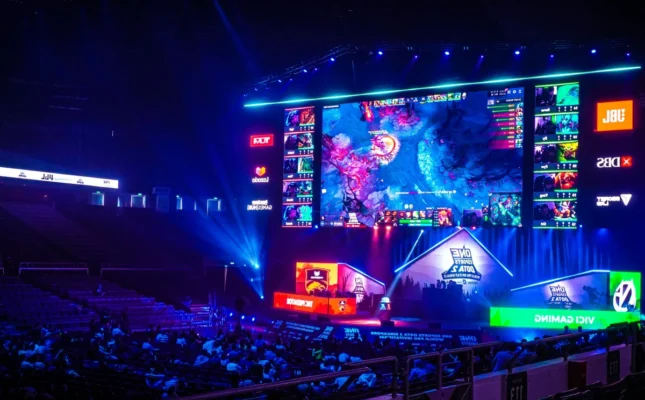
If you are looking for a small screen, it may be worth choosing LCD in terms of cost. Otherwise, if you need a large size, you can get virtually any size with LED displays. LCD is available in standard sizes, while LED screens are made up assembling cabinets or modules.

Viewing Distance
When viewers are very close to the screen, it is generally preferable to choose LCD screns, which can reach very high FHD and 4K resolutions. Contents are perceived with more detail and more realistic colors.
However, there are also LED screens with high resolutions that allow optimal viewing from short distances, usually with a higher cost. If you need LED, you will have to evaluate the optimal pitch or distance between pixels to get the best results without unnecessary waste. If viewers are far from the screen, you can select lower resolution.
Screen Location
Depending on the location of the screen, the key considerations will be brightness and protection level or IP. High level of protection is required fot outdoor locations. And higher brightness is required for locations with greater exposure to sunlight.
As for IP protection, there are both LCD and LED models that provide high levels. As for the brightness achieved, although some LCD screens present high levels of brightness, the highest ones are featured by LED series.
Typically, LCD brightness ranges from 400-700 nits for low to medium ambient light conditions and 2,500-4,000 nits for high ambient light. As for LED, brightness ranges from 1,000 nits for low to medium light conditions to levels above 3,000 nits for higher light conditions or outdoor applications. Up to 8,500 nits are reached by ES SERIES of standard outdoor LED displays.
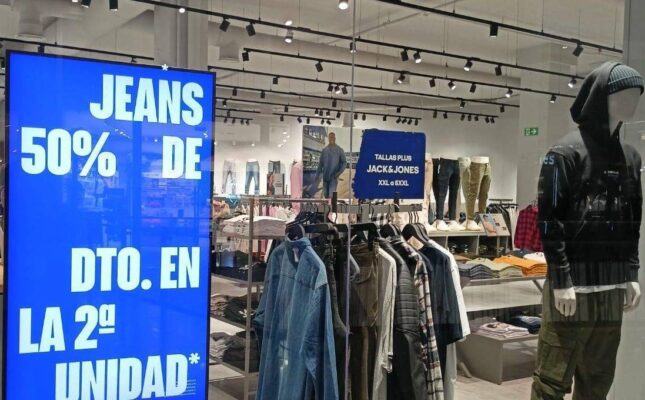
In this terms, screens to be placed in shop windows require high brightness although they are located indoors.


Installation and maintenance
LCD installation is simpler, since LED screens are made up of modules that must be assembled. However, Learoy LED screens incorporate systems to facilitate this assembly, making it uncomplicated and fast. Series such as Rental screens R SERIES are a good example.
Concerning maintenance, it is not required by LCD screens, while LED screens can need module replacements when a LED burns out or is damaged. For this reason, Learoy LED screens are designed to allow easy removal of their modules and repairs from both the back and the front of the screen.
Screen cost and durability
Despite a long lifespan is guaranteed by all Learoy screens, it can usually be longer in LED series, reaching over 50 thousand hours compared to 30 to 50 thousand hours given by LCD screens.
En cuanto al coste, en tamaños hasta 75”, las pantallas de LCD pueden resultar menos costosas, mientras que merecerá la pena invertir en LED si el tamaño es muy grande. No obstante, en el coste de la pantalla influyen muchos más aspectos relacionados con la calidad de la imagen y rendimiento esperados.
In terms of cost, LCD screens can be less expensive for sizes up to 75”. Otherwise, when the size is very large, it is worth investing in LED. In any case, the cost of a screen is influenced by many other aspects related to the expected image quality and performance.
Creativity and interactivity
LCD screens bring more interaction opportunities through touch devices such as touch totems in TO-I SERIES. However, creative possibilities are greater in LED range. You can find transparent displays in T SERIES, flexible modules in F SERIES or unique designs including concave or convex shapes in P SERIES of customized LED screens.
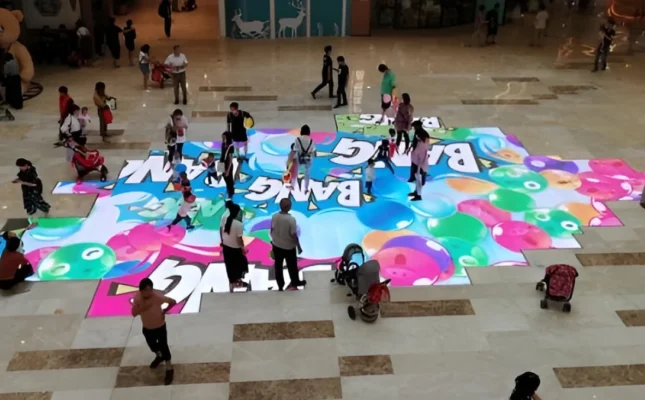
Additionally, S SERIES of floor LED screens provide viewers with interactive and immersive experiences.


